
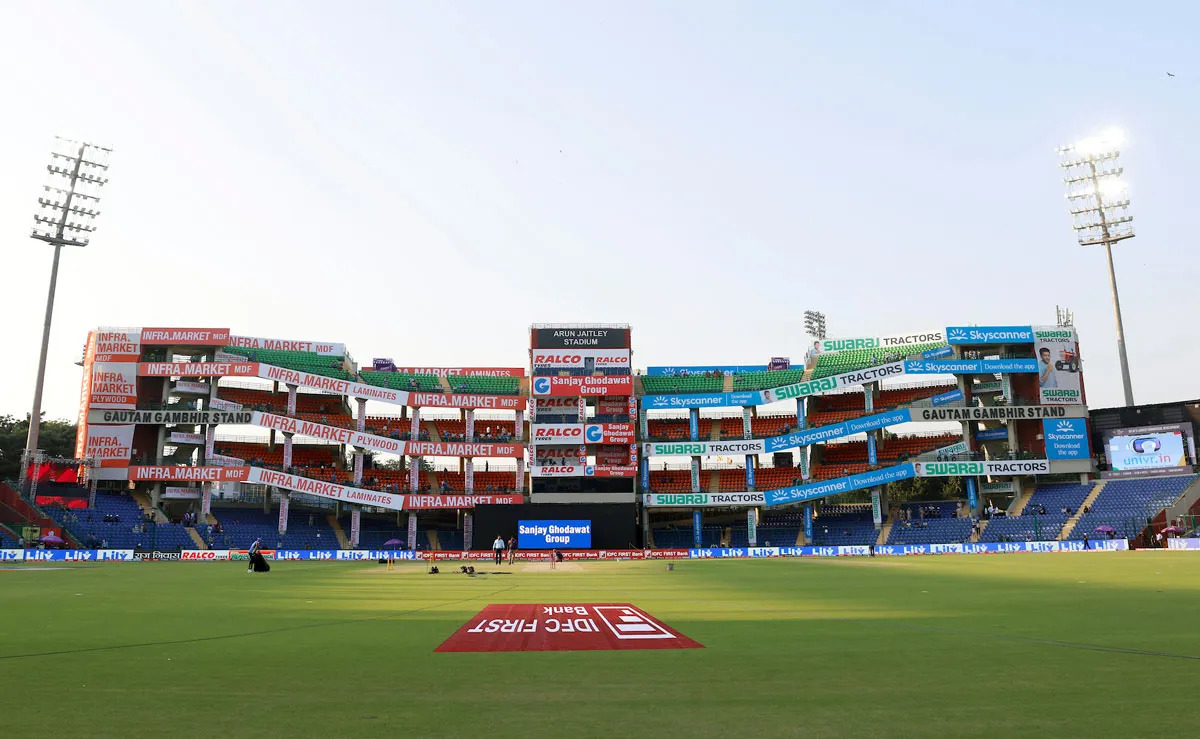
The surface for India’s second and final Test against West Indies, which will be held at the Arun Jaitley Stadium in Delhi from October 10 to 14, is expected to provide significantly greater assistance to batters. Unlike the green wicket in Ahmedabad, the West Indies collapsed in less than three days.
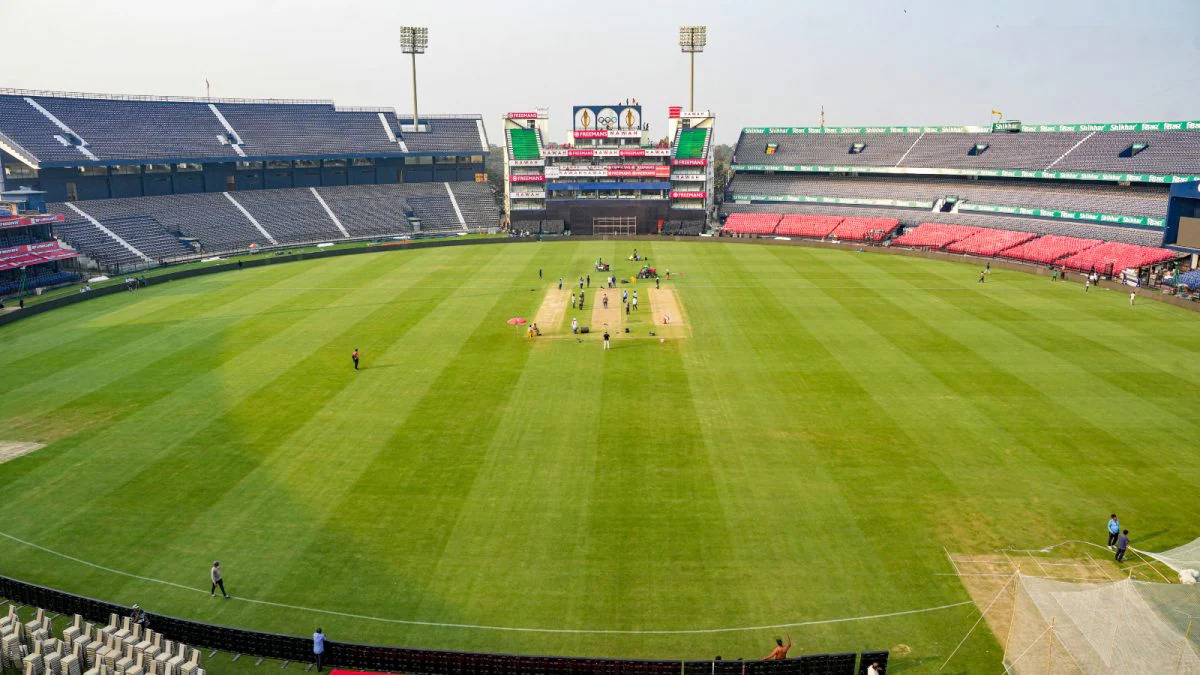
The first Test in Ahmedabad was a misery for the Roston Chase-led side. The visitors were bowled out for just 44.1 overs in their first innings after opting to bat first on a grass-covered red-soil pitch. India’s pace pair of Jasprit Bumrah and Mohammed Siraj took advantage of the circumstances, taking seven wickets between them. The Caribbean squad only lasted 45.1 overs in their second innings, losing by an innings and 140 runs. The game ended in two and a half days, making it one of the most one-sided battles between the two sides in recent memory.
Meanwhile, the pitch in Delhi is expected to be much more batting friendly. The black-soil surface will include areas of grass and an even bounce, making task play easier for the batter. Earlier reports indicated that the surface would not generate much seam or swing action, minimising the threat to batters in the early sessions.
Delhi pitch to wear down and gradually bring spinners into play
A huge difference from Ahmedabad will be the absence of live grass, leading to Indian pacers to extract the same movement off the deck. However, batters on both teams could enjoy their time in the middle with the quick outfield and relatively shorter boundaries at the Arun Jaitley Stadium.
However, as the game progresses, the pitch is expected to wear down and gradually bring spinners into play. The black-soil base, which tends to dry up faster, and with continued footmarks forming over the course of the match, spinners like Ravindra Jadeja and Kuldeep Yadav will be looking forward to some turn and uneven bounce by Day 4 and 5. Notably, the oddball might keep low, testing the batters.
The last Test played at this venue was during the 2023 Border-Gavaskar Trophy against Australia, where the visitors struggled against India’s spin attack and lost by six wickets. The Delhi surface has traditionally been good batting conditions early before turning in the latter half of the match, and a similar pattern is expected this time.





 India
India

