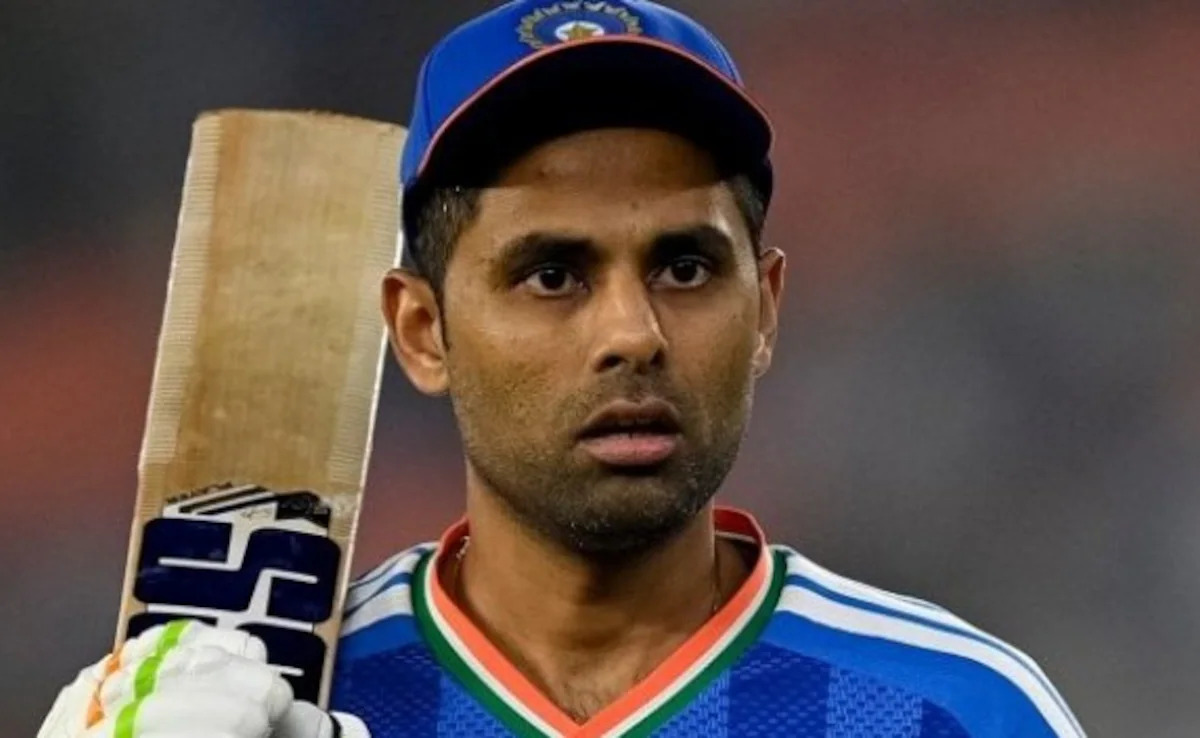
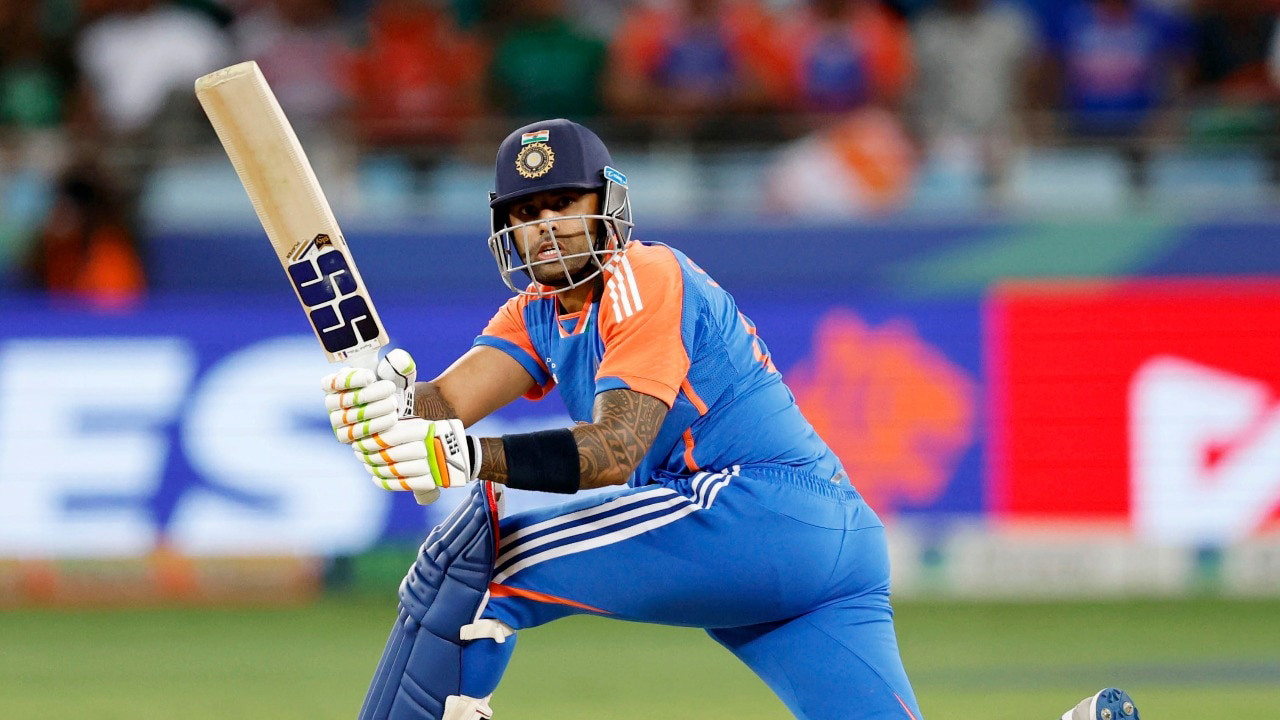
Ravichandran Ashwin thinks that Suryakumar Yadav‘s 32-run innings in Wednesday, January 21’s first Twenty20 International against New Zealand at the Vidarbha Cricket Association Stadium in Nagpur will boost the Indian captain’s confidence moving ahead.
For a while now, Suryakumar has been having trouble in T20I cricket. After playing 21 Twenty20 Internationals in 2025, his average was a pitiful 13.62. His position in the side following the protracted lean period was being questioned. But he should benefit greatly from his 22-ball 32 against the Kiwis in the series opener.
According to Ashwin, batters in Twenty20 cricket don’t strive for consistency.
Suryakumar was praised by the 2011 ODI World Cup champion for adhering to India’s team-above-individual model. Ashwin stated that a hitter seeking runs will aim for a half-century, whereas Suryakumar persisted in making great smashes without considering his own achievements.
It’s a monkey off the back. Many people were discussing Suryakumar’s form and batting. To be honest, you don’t have to strive for consistency in T20 cricket. He seemed in good form today, and I loved that he got those runs. A batter would have aimed for a fifty if they wanted to score runs. Surya, however, did not do that. This team’s goal is to continue hitting and scoring. He appeared to be in his element. On his YouTube channel, Ashwin stated, “He looked good, and this is a big positive for him.”
Ashwin believes that Shivam Dube’s bowling abilities in Twenty20 cricket are being supported by the Indian team administration. In the inaugural Twenty20 International, the Mumbai all-rounder bowled three overs and claimed two wickets.
Given how well (Shivam) Dube bowls, perhaps a discussion about bringing in a bowler will come up. However, he was given three overs today. They are therefore supporting his bowling, and I believe that he is the subject of conversations. “I think this is the combination,” he continued.
After being asked to bat first, India scored an incredible 238/7 in the first innings. The hosts took a 1-0 lead in the five-match series when New Zealand could only muster 190/7 in response.
 India
India