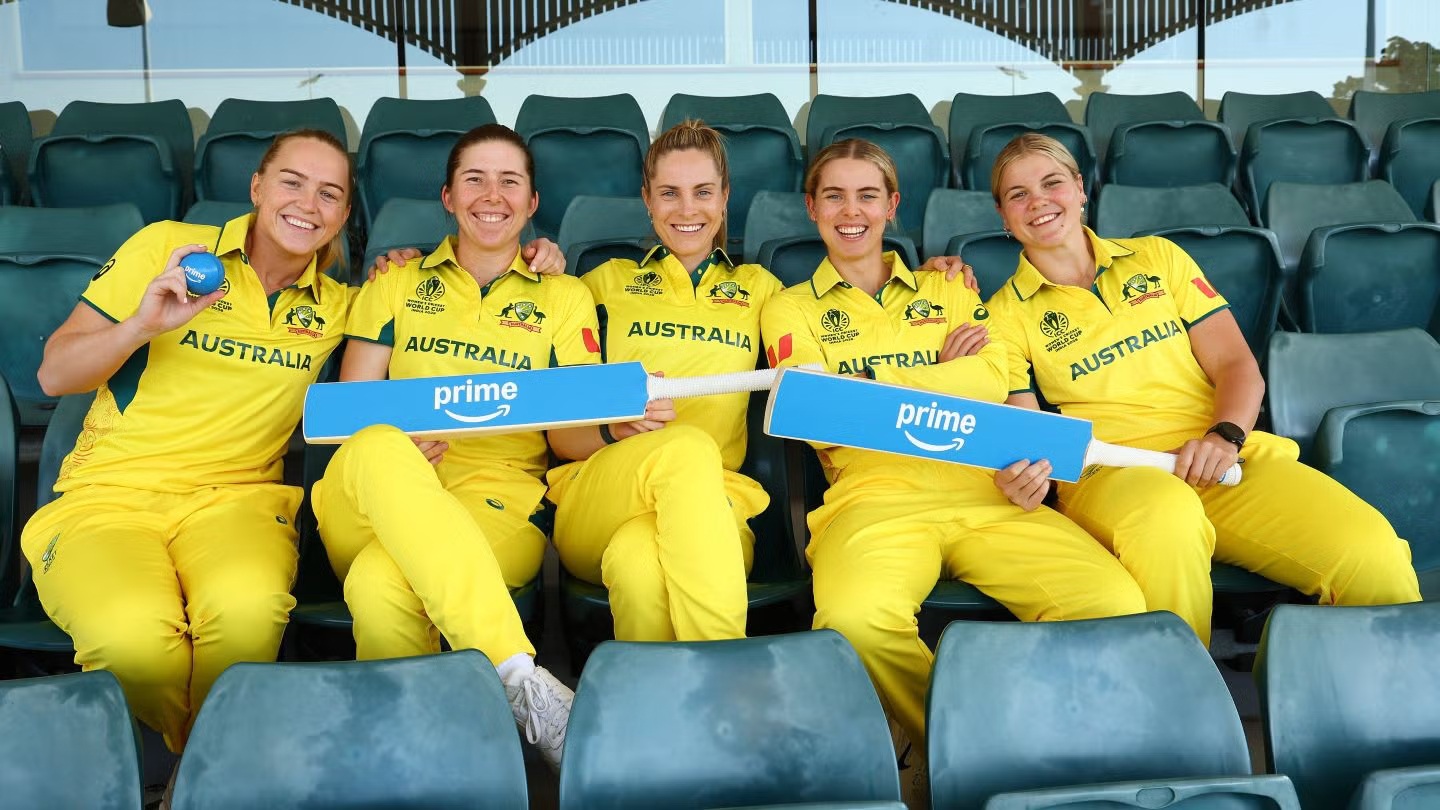
The stage is set for an exciting battle as eight of the world’s best teams gather for the 13th edition of the ICC Women’s World Cup, with reigning champions Australia heading the charge to defend their crown.
Following a strong campaign in 2022, highlighted by Alyssa Healy’s stunning 170-run masterpiece in the final against then-defending champions England, Australia is back and as ambitious as ever. Now led by Healy herself, the world’s top-ranked team arrives on the subcontinent with history, form, and motivation on their side.
India, the host country for the fourth time, will be eager to capitalise on home advantage, while England, presently ranked second, is desperate to recapture the title they last had in 2017.
Australia, on the other hand, has a perfect record in tournaments conducted on Indian soil, which they will be determined to continue.
After nearly missing out on qualification in 2022, Sri Lanka captain Chamari Athapaththu and her team return to the Women’s Cricket World Cup with a point to prove and home advantage for their five home matches.
Sri Lanka, along with Australia, England, New Zealand and South Africa qualified on ranking, with the final two spots decided at the ICC Women’s Cricket World Cup Qualifier in Pakistan in April.
Bangladesh sealed a place for the second tournament running, while Qualifier hosts Pakistan, also made it to extend their streak of appearances at the World Cup, having played in every tournament since 2009.
India will hope to get back to the final as they did in 2017, when they narrowly lost to hosts, England.
New Zealand and South Africa, meanwhile, come into the tournament off the back of impressive ICC performances. The White Ferns triumphed in the ICC Women’s T20 World Cup 2024 getting the better of South Africa, who had reached the final of the tournament for the second year running.
There are five venues in all for this year’s tournament, in which all eight teams will face off in the round-robin pool stage. Those include the Assam Cricket Association Stadium in Guwahati in north-east India, which will be the venue for the tournament opener between the host countries.
There are three further venues in India, including the DY Patil Stadium in Navi Mumbai, which will host one of the semi-finals and potentially the final.
The ACA-VDCA Cricket Stadium in Visakhapatnam and the Holkar Stadium in Indore will each host five pool games, with the latter the venue for the meeting of England and Australia.
The R Premadasa Stadium in Colombo will host the most games of any venue, including the big clash between India and Pakistan. It could also host a semi-final and the final.
Following the 28 round-robin pool stage matches, the top four teams in the table will progress to the semi-finals.
The team ranked in first will take on the fourth-ranked side, while the teams who finished second and third will meet in the other semi-final.
The two winners will then meet in the final, with four different teams having reached the final over the past four editions of the tournament.


 India
India