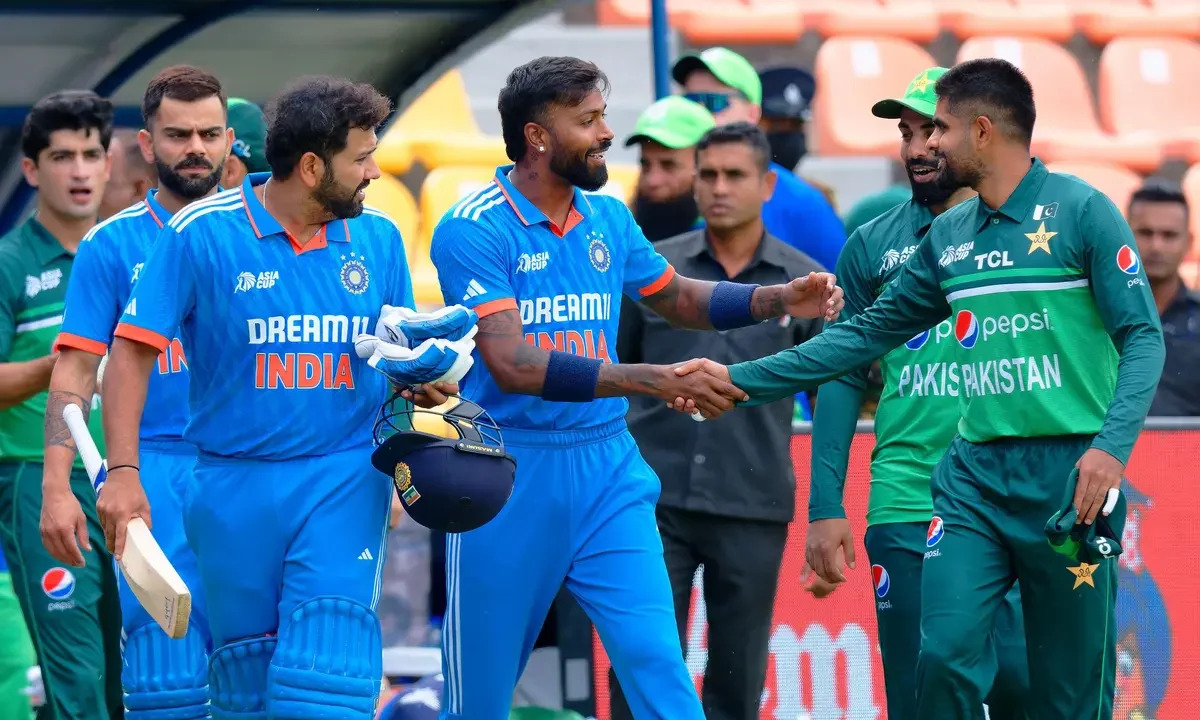
Manoj Tiwary, a former India batter, has stated that he will not be watching the next Asia Cup 2025 match between India and Pakistan. India will meet Pakistan in the continental competition on September 14 in Dubai, marking the two sides’ first cricket confrontation since the terrorist assault in Pahalgam.
Ahead of the high-profile match, there has been strong opposition from Indian fans, who do not want their team to compete in any athletic event with Pakistan. Tiwary recently voiced unhappiness in organising the upcoming match, questioning whether everyone had forgotten about the innocent civilians who died in Pahalgam earlier this year.
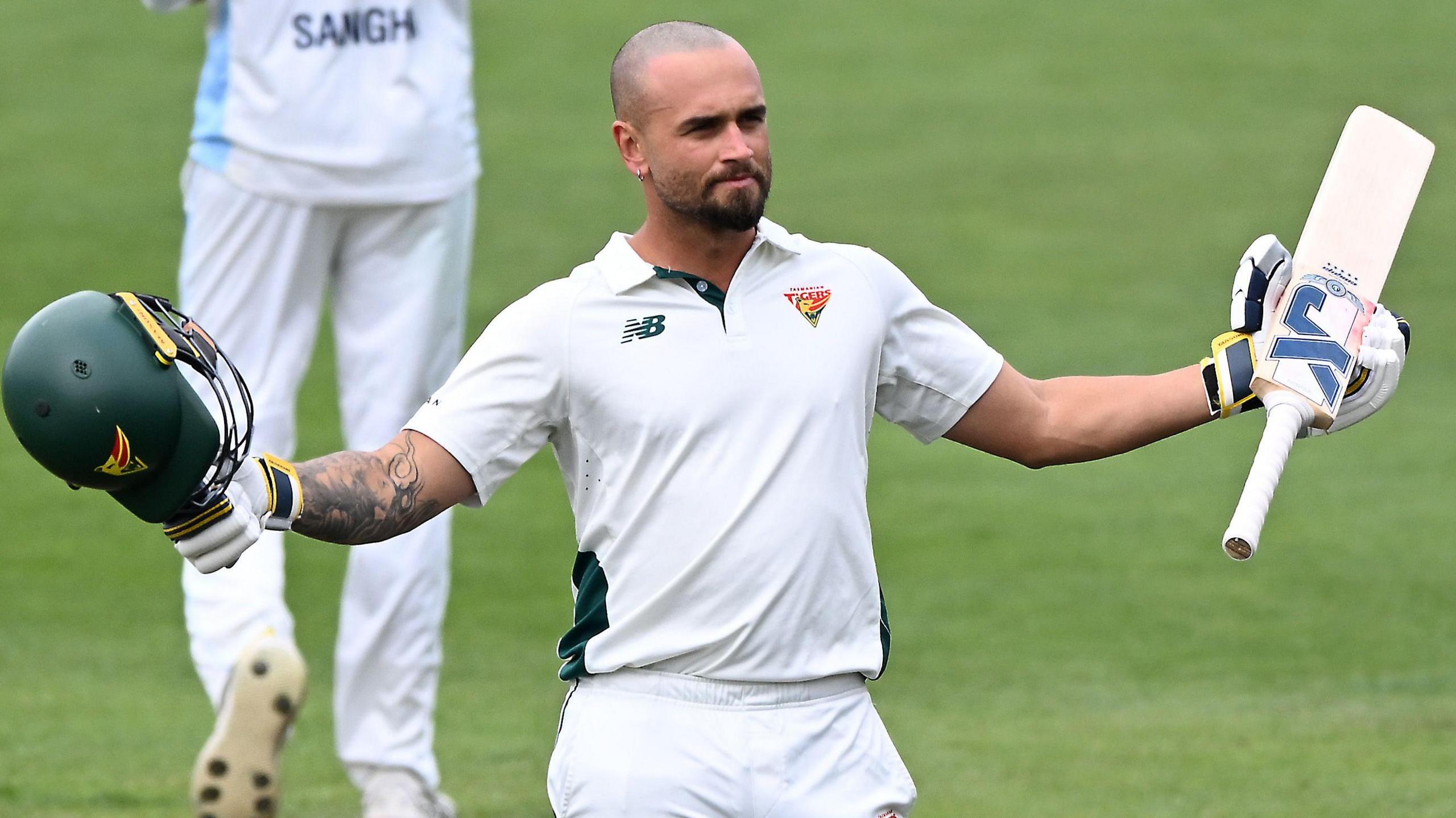
“I am a little surprised that this match is going to happen. After the Pahalgam attack, in which so many innocent civilians were killed, and then the war that followed, a lot of talk was going on that this time we will give a befitting reply. Despite this, after a few months, everything has been forgotten. I find it hard to believe that this match is happening, that the value of a human life can be zero,” Tiwary was quoted as saying by India Today.
Furthermore, the former Bengal captain reiterated that human life should be more important than sports and stated that he won’t be watching the match at all.
“What do they want to achieve by playing with Pakistan? The value of a human life should be more than sports. There is no question of me watching the match at all,” he added.
The Indian government has clearly mentioned that India won’t have bilateral sporting relations with Pakistan.
However, this does not include meetings in multi-national events like World Cups or Olympics, where both countries partake under the jurisdiction of international governing bodies. These tournaments are held in neutral or third-party venues, ensuring no direct bilateral assignments and maintaining a politically neutral environment for competition.
India and Pakistan are placed in the same group A in the Asia Cup. Oman and the host UAE are also in the same group. Meanwhile, the other group comprises Afghanistan, Hong Kong, Bangladesh, and Sri Lanka.


 India
India