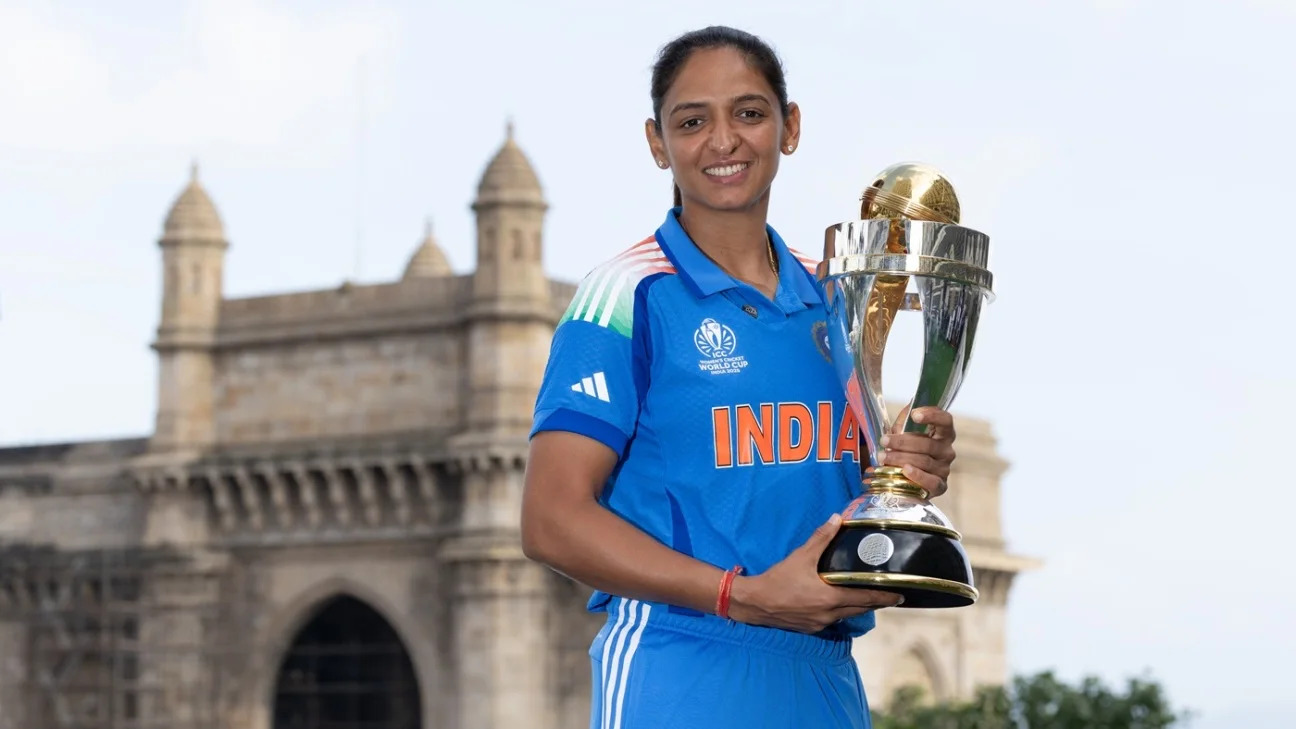
The International Cricket Council (ICC) has formally declared that the next Women’s ODI World Cup, set for 2029, would feature ten nations, representing a huge step forward in the worldwide development of women’s cricket. The decision builds on the tournament’s growing popularity and success, with the 2025 edition attracting record attendance and widespread participation.
On International Women’s Day in 2021, the ICC revealed its ambition to grow the women’s game, laying out a plan to provide more competitive opportunities for emerging nations. Since 2000, only eight teams have competed in the Women’s One-Day International World Cup. However, the new format will allow two more teams to play on the global arena, providing opportunities for developing cricket nations.
The number of matches in the 2029 tournament will also expand significantly, from 31 in the previous season to 48. The ICC also confirmed that
The Women’s T20 World Cup, which will take place next year, will be enlarged to 12 teams, up from ten in the previous edition held in the UAE.
“Nearly 300,000 fans watched the event in stadia breaking the record for tournament attendance for any women’s Cricket event. The tournament also witnessed viewership growth and new records being set for on-screen audiences across the world with nearly 500 million viewers in India,” the ICC release said as quoted by.
The ICC Board also ratified the appointment of several new members to the ICC Women’s Cricket Committee, including Ashley De Silva, Mithali Raj, Amol Muzumdar, Ben Sawyer, Charlotte Edwards, and Sala Stella Siale-Vaea.
ICC begins bidding for mobile cricket game
In addition, the ICC confirmed that it will initiate a bidding process for its official mobile cricket game. The project has been at the centre of ongoing tensions between the governing body and the World Cricketers’ Association (WCA), and the new tender process aims to bring greater transparency and structure to its development and management.
“The ICC Board confirmed its approval to issue an Invitation to Tender (ITT) for Video Gaming Rights, opening the door for leading global partners to collaborate with the ICC in delivering world-class, digital fan experiences,” the board said in the statement.
The dispute between the ICC and the WCA has centred on the issue of players’ Name, Image, and Likeness (NIL) rights. The WCA has argued that any attempt by the ICC to develop a mobile cricket game featuring real players would constitute a breach of existing agreements, as the association currently holds NIL rights for around 600 players and has already entered the gaming market.
Earlier this year, the ICC ruled that individual member boards would be responsible for negotiating NIL rights directly with their players, rather than through the WCA. The ICC launched an Expression of Interest (EOI) process for the mobile cricket game in June. However, progress has been slow as member boards continue to negotiate with their players to finalise NIL agreements.
It remains unclear how many boards have successfully secured the necessary rights, though early estimates suggest that at least half of the Full Member nations have reached preliminary understandings.

 India
India