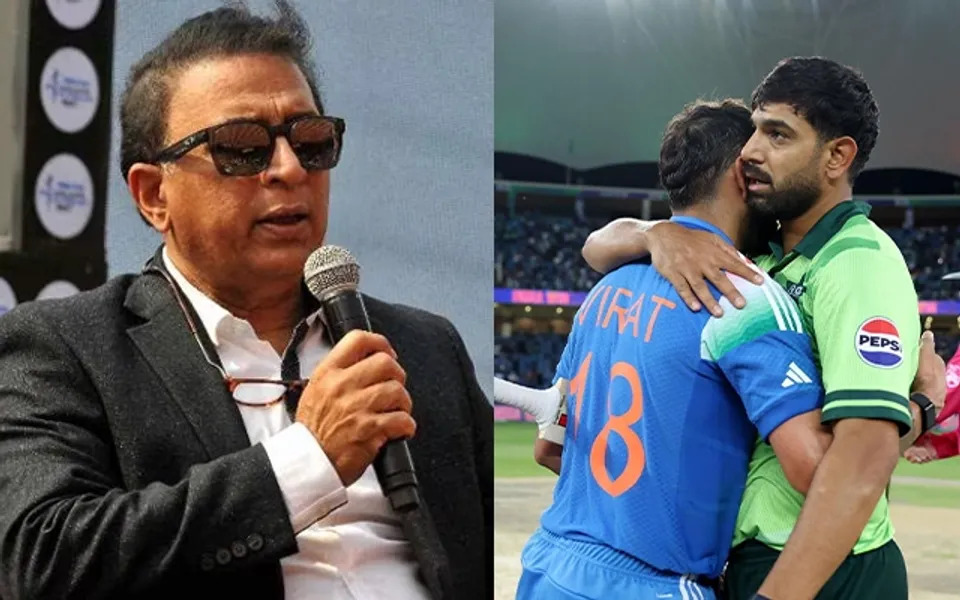
The tragic terrorist assaults in Pahalgam, India, there is rising concern that India will not participate in the event due to existing tensions with Pakistan.
Sunil Gavaskar, a former Indian cricketer, has encouraged the media not to be judgemental of the Indian cricket team during the ongoing controversy over whether they should compete in the forthcoming Asia Cup. Following
Gavaskar stated that the players will ultimately follow the directions of the Board of Control for Cricket in India (BCCI), which will get orders from the Indian government. The former captain went on to explain that the players had nothing to do with the entire scenario because the government has the last decision in matters of national interest(s).
“If the government has taken a call, I don’t see how the players can be criticised or commented upon, because the players at the end of the day are contracted to the BCCI and they will be taking the instructions from the Government of India. And so, it entirely depends on that,” stated Gavaskar, as quoted by India Today.
“The players are helpless in this. They’ve been selected to play in the Asia Cup, and if the government says you have to play, then they will go out and play. If the government says you don’t, then the BCCI will act accordingly. Like I said, it is entirely up to the Government of India to tell the BCCI what to do,” he remarked.
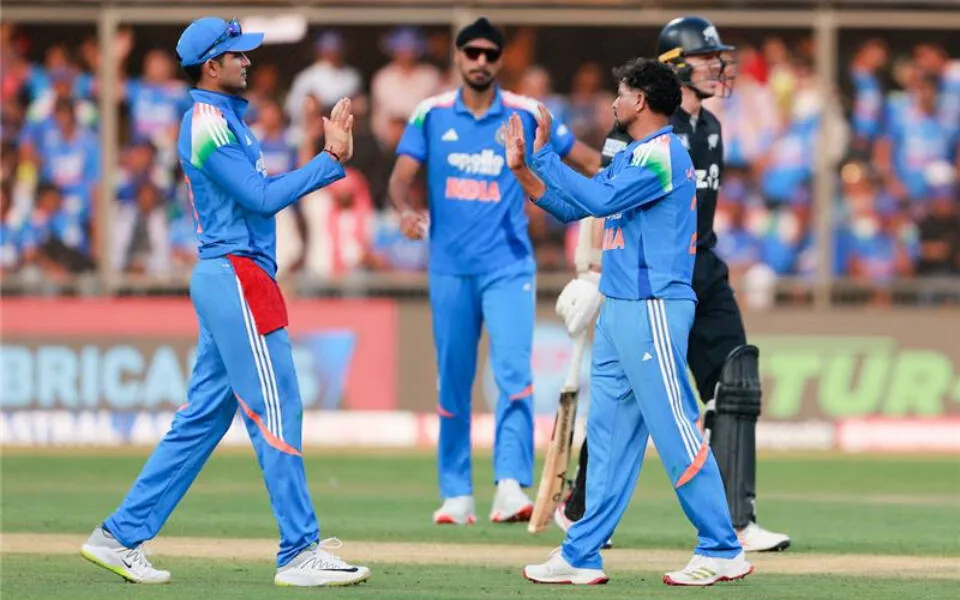
The 76-year-old shared his thoughts on the 15-member squad, which was announced at the BCCI headquarters in Mumbai in a meeting by All India Men’s Senior Selection Committee chief Ajit Agarkar on August 19. Captain Suryakumar Yadav, selector Shiv Sunder Das, BCCI Secretary Devajit Saikia were also among those present in the meeting for the squad, which also includes the likes of Shubman Gill, Jasprit Bumrah, and Hardik Pandya.
“This is a fabulous squad. It has depth in batting, variety in the left and right-hand combinations, and terrific balance in bowling as well. It’s a fantastic team,” concluded Gavaskar.
The backlash in relation to the two nations being involved in world events had grown significantly after the cross-border tensions following the recent horrific terrorist attacks in Pahalgam. The last time India and Pakistan met in a bilateral series was way back across December 2012 and January 2013.
![[WATCH] IND vs NZ 2026: Virat Kohli gifts signed jersey to Daryl Mitchell after third ODI](https://cricketmood.com/wp-content/uploads/2026/01/Kohli-Mitchell.jpg "[WATCH] IND vs NZ 2026: Virat Kohli gifts signed jersey to Daryl Mitchell after third ODI 5")
 India
India