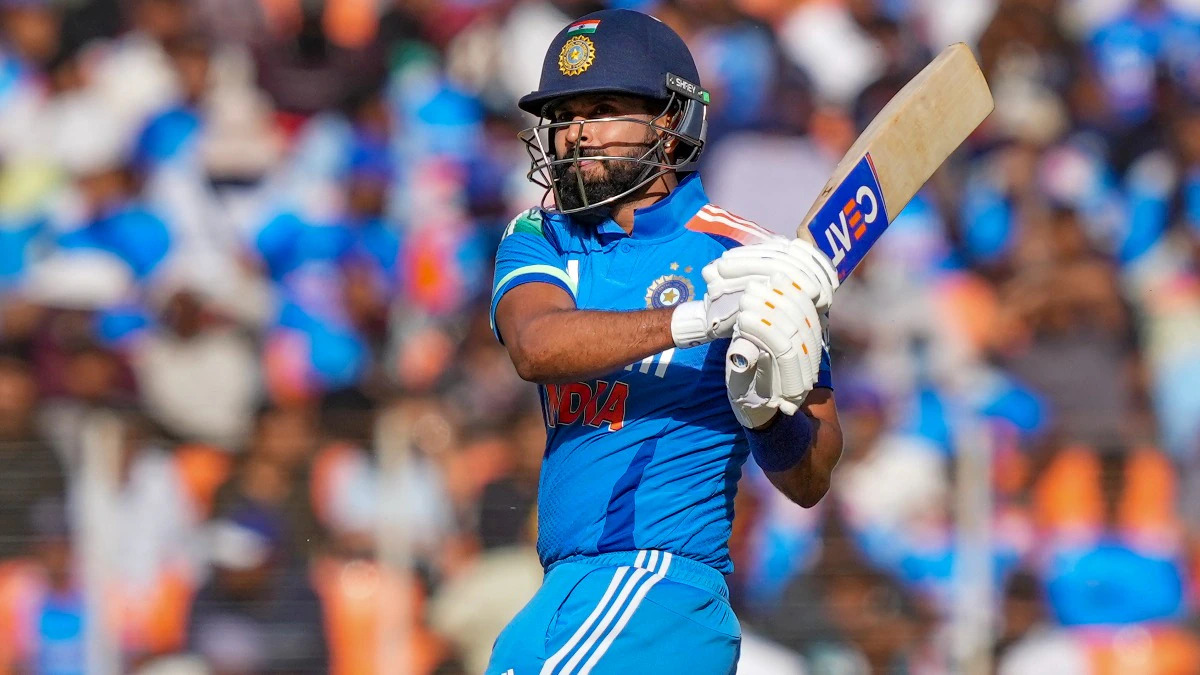
According to Shreyas Iyer, he has been able to counter extra bounce by returning to a more upright stance. He has adopted this “new” approach, which is a modification of his previous one, in domestic cricket, against Australia A, and currently in the ODI series in Australia. During the second ODI in Adelaide, Iyer managed to score 61 off 77 although India struggled on a seaming pitch.
There has always been discussion over Shreyas Iyer performance against fast-paced, short-pitched bowling. Iyer worked on his game to counter increased bounce during his time off, but he was not included in India’s Test or T20I teams. “Since last year, I wanted to have an upright stance [for conditions] where the bounce is a little bit more than expected,” he explained.
“I worked with my instructor to build a new technique based on that, and it seemed to fit me quite nicely. And because I was raised primarily in an upright stance, I thought, ‘Let’s go back to my old approach and see how it, you know, [holds] up.’
I backed myself, and then I began [trying the tactic] in the domestic [games] after that. I’ve been sticking to the same position up until now.”
Although Iyer was raised batting erect, he may have changed his posture because to back issues.
“Even in Mumbai, when we play on red-soil wickets – where the bounce is a little bit extra than expected – I think it helps with the upright stance,” Iyer explained.
You don’t play on the same wickets [all the time], so you have to keep cutting and shifting occasionally. You have to modify your stance in accordance with whatever the wicket requires, and I believe I’ve changed so many stances [that] I can currently adapt anyplace.”
During India’s unbeaten Champions Trophy campaign in the United Arab Emirates in March, Iyer last played for the country. Since then, he has participated in two first-class matches, the Indian Premier League, and three one-day matches against Australia A while captaining India A. Sometime during this break, he decided that his body was not supporting his first-class cricket at the moment, therefore he asked the BCCI for a six-month break from red-ball cricket.
“I discovered that my intensity tends to decline if I field for extended periods of time on the ground when I played red-ball cricket following the IPL. And I couldn’t keep up with the level of energy required in international cricket. In ODIs, you are aware that you will be able to recuperate and get some rest after a day. In tests, no. the’s the reason I called and delivered the message.
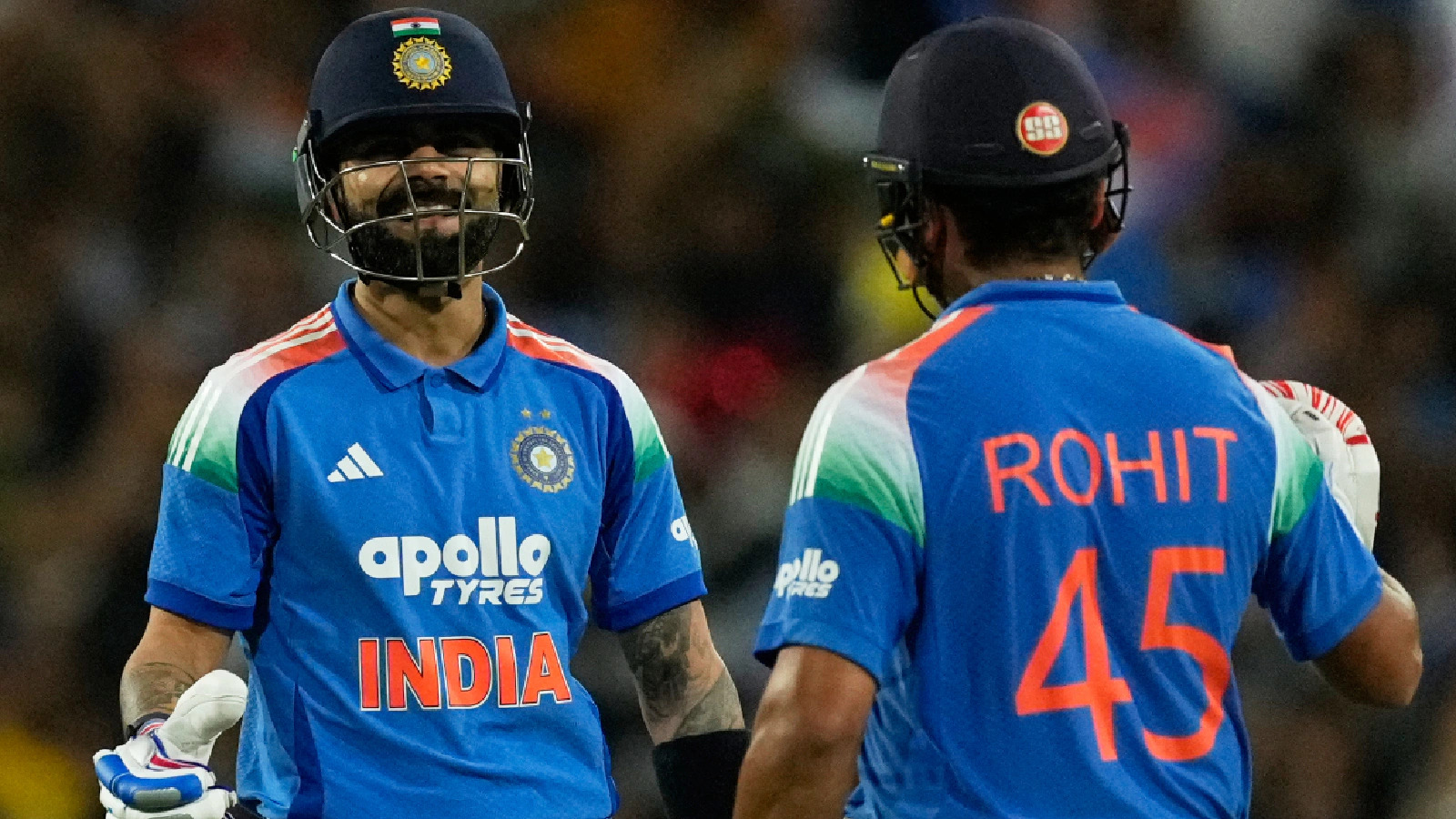
 India
India