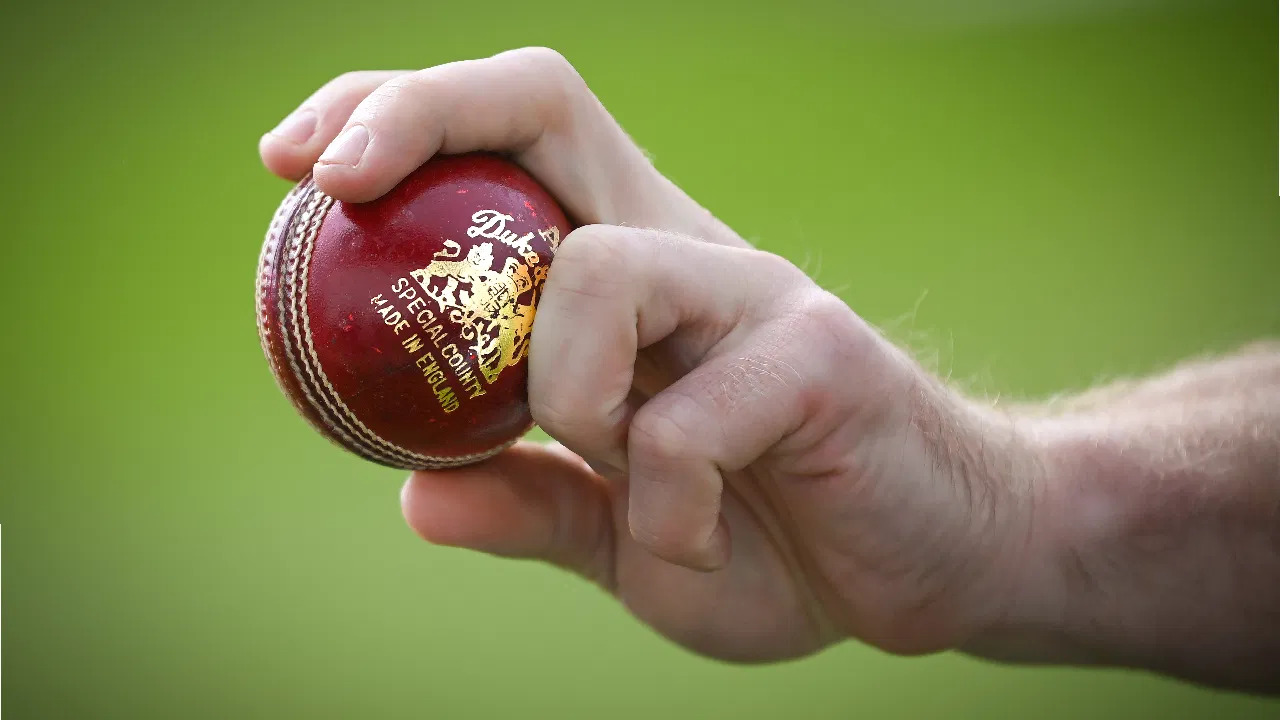
The present Test series between England and India has sparked debate regarding the quality of the Dukes ball, with numerous players, notably India skipper Shubman Gill, expressing worry. Following repeated complaints and several ball changes during matches, British Cricket Balls Ltd, the Dukes manufacturer, has pledged a thorough study into the matter.
The Dukes ball, which has traditionally been used in England, is recognised for its hardness and ability to generate movement over long periods of time.
However, during the current five-match Test series, both England and India have had to change the ball multiple times because it became soft or lost form before the 80-over mark, when a new ball is permitted. Following the second Test at Edgbaston, India captain Gill spoke openly about the ball’s quality.
“It’s quite challenging for the bowlers. I believe that the ball, rather than the wicket, is rapidly becoming out of shape. It becomes soft pretty rapidly. I’m not sure what it is, whether it’s wickets or whatever. It’s difficult for the bowlers. “It is extremely difficult to get a wicket in such conditions when there is nothing there,” Gill said after the game.
In response to the criticism, Dilip Jajodia, the proprietor of British Cricket Balls Ltd, told BBC Sport that his company will conduct an extensive examination of the production process.
“We will take it away, inspect it, and then begin discussing with the tanner about all of the raw ingredients – everything. “Everything we do will be reviewed, and if we believe some changes or tightening is required, we will make them,” Jajodia stated.
ECB involves itself in resolving issue
He accepted that natural raw materials and manual processes involved in making the Dukes ball can sometimes result in quality issues. Factors like changes in leather tanning chemicals post-COVID, variations in cattle hides, and fewer qualified tanners have led to the challenge. Jajodia mentioned the need for changes rather than complete restructuring.
“I spend my life almost producing these balls and I personally pick the balls for each game and when you look at them and they are new they look like works of art, they really are. They’re wonderful. But what you don’t know is what it’s going to do when it’s actually taking hammer and that’s the problem with the product,” he said.
The England and Wales Cricket Board (ECB) is also involved in resolving the issue. It plans to collect used balls from the first three Tests and return them to Dukes for testing. Conversations about the ball’s effectiveness have increased, especially after five ball changes occurred during England’s first innings at Lord’s, with one being switched after just 10.2 overs.


 India
India