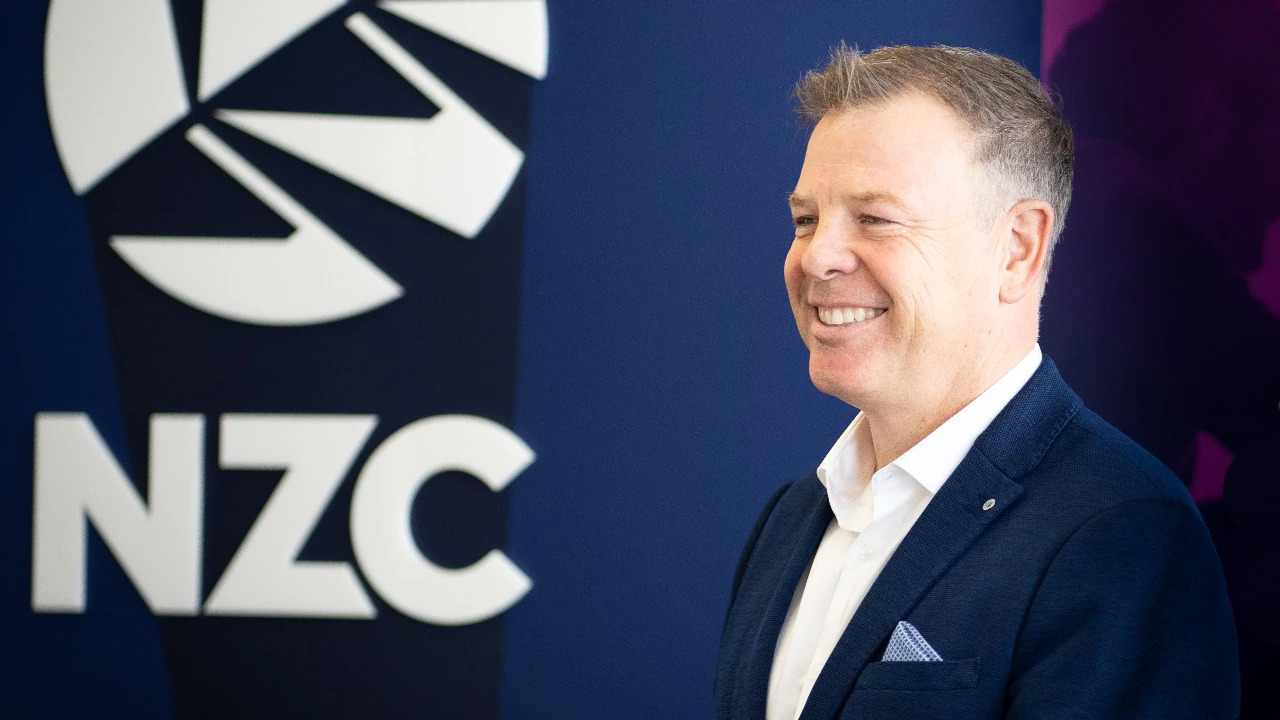
New Zealand Cricket is preparing for a leadership transition after chief executive Scott Weenink announced his resignation, citing irreconcilable differences over the game’s future direction. Weenink will officially leave office on January 30, 2026, after a two-and-a-half-year term that, despite producing great on-field results, got increasingly overshadowed by strategic differences.
The announcement comes after months of rising tensions between Weenink, several of New Zealand Cricket’s six member associations, and the New Zealand Cricket Players’ Association (NZCPA). Much of the argument was over long-term priorities, governance difficulties, and the place of T20 cricket in New Zealand’s domestic framework.
Scott Weenink admitted that alignment with key stakeholders had weakened over time, prompting his decision to step down.
“After careful consideration. It has become clear that I hold a different view from several member associations, and the NZCPA [New Zealand Cricket Players’ Association], on the future priorities for NZC, including the long-term direction of the game and the best role for T20 cricket in New Zealand. Given these differences, I believe it is in the best interests of the organisation that new leadership takes NZC forward from here,” Weenink said in a statement as quoted by India Today.
“While I am saddened to leave after such a successful period, I do not wish to create ongoing instability by continuing without the support of some key stakeholders. I depart with pride in the excellent progress made by NZC during my time as CEO, and confidence in the people in NZC who will carry the game forward,” he added.
Weenink was appointed chief executive of New Zealand Cricket in August 2023, overseeing a period of notable success for the national teams. During his tenure, the New Zealand Women’s side lifted the Women’s T20 World Cup, the men’s team registered a historic Test series victory in India in 2024, and later reached the final of the Champions Trophy in 2025. Despite these strong on-field achievements, off-field strategic differences gradually came to define his time in the role.
His resignation comes at a time when momentum has been building around the proposed launch of a new franchise-based T20 league, tentatively titled NZ20, scheduled for January 2027. The competition is expected to follow a licensing model similar to the Caribbean Premier League, featuring independent management and foreign investment, and would replace the existing Super Smash tournaments for both men and women.
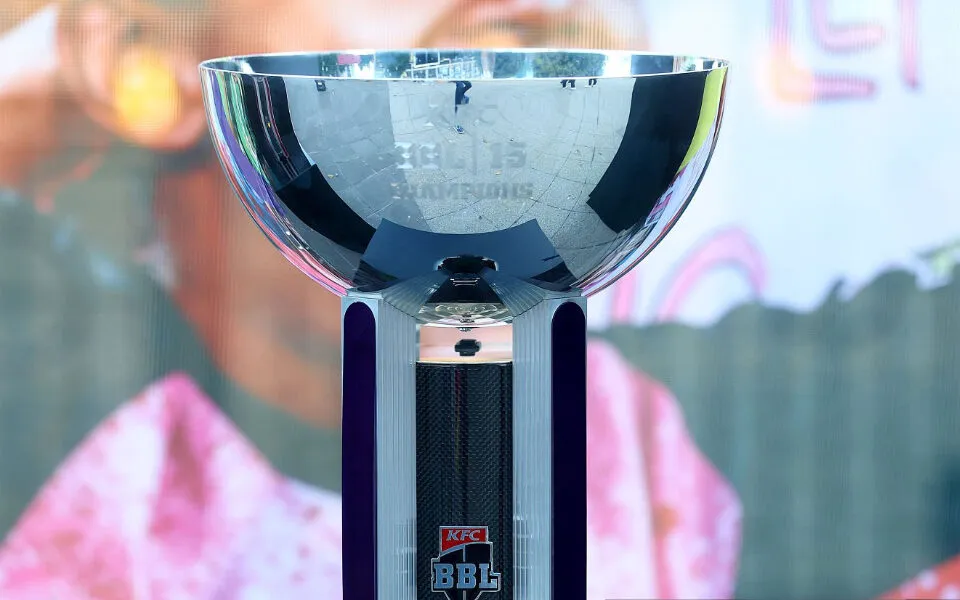
While players and member associations have largely backed the move, citing New Zealand’s absence from the global franchise T20 ecosystem, Weenink was understood to favour alternative options, including exploring the entry of a New Zealand franchise into Australia’s Big Bash League. With his departure now confirmed, the direction and future of NZ20 will be determined by incoming leadership, with greater clarity anticipated by early 2026.
![[WATCH] IND vs NZ 2026: Virat Kohli gifts signed jersey to Daryl Mitchell after third ODI](https://cricketmood.com/wp-content/uploads/2026/01/Kohli-Mitchell.jpg "[WATCH] IND vs NZ 2026: Virat Kohli gifts signed jersey to Daryl Mitchell after third ODI 5")

 India
India