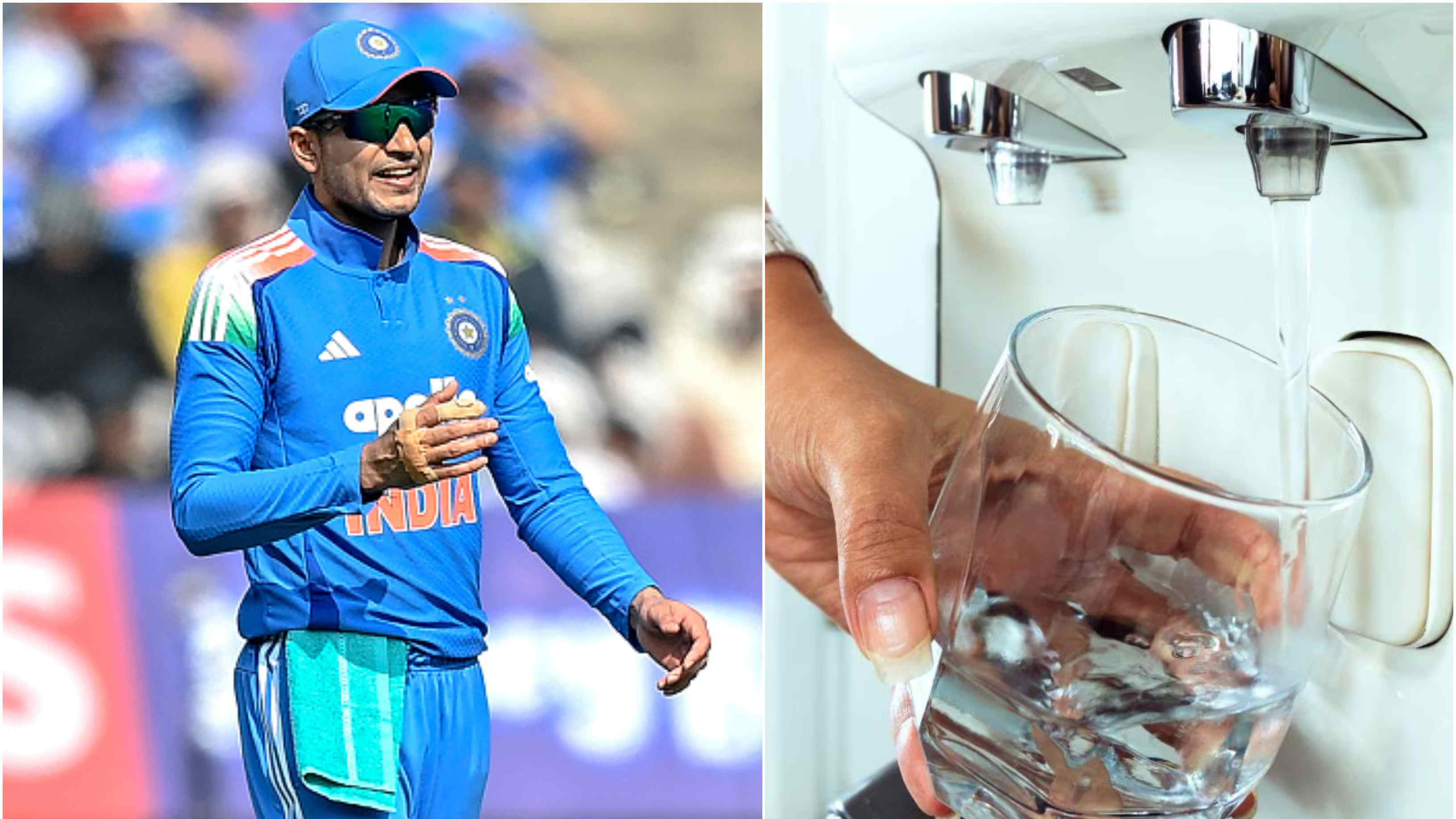
Shubman Gill, India’s skipper, reportedly carried a water purifying unit worth roughly INR 3 lakh to Indore ahead of the third and final ODI against New Zealand.
The decision to transport the purifier coincides with a catastrophic water poisoning issue in the city, which has already taken several lives.
Indore, which will host the series decider at the Holkar Stadium, has lately had a significant public health issue due to contaminated drinking water. According to local accounts, the outbreak, which originated in the Bhagirathpura neighbourhood, has claimed the lives of at least 23 people, with more victims still in hospitals.
Despite its reputation as one of India’s cleanest cities, the situation has generated severe worries about water security. Meanwhile, Team India is sleeping in a five-star hotel equipped with regular RO systems and packaged drinking water. However, further safeguards have reportedly been implemented at the captain’s level.
Indian team’s media manager declined to officially comment on the development
According to NDTV, Gill arranged for a specialised water purification machine worth around INR 3 lakh to be installed inside his hotel room. Hotel sources revealed that the device is capable of re-purifying even RO-treated and packaged bottled water. The machine was reportedly brought specifically to avoid any health risks during the team’s stay.
While the Indian team’s media manager declined to officially comment on the development, reports state the decision was driven by the ongoing water crisis rather than being part of a routine protocol. The Board of Control for Cricket in India (BCCI) has otherwise ensured strict monitoring of the players’ food and hydration, including the appointment of a special chef for the squad.
It is worth noting that senior players are known to follow strict dietary and hydration routines. Virat Kohli, in particular, is known for being extremely careful about his water intake and is reported to consume imported natural spring water.
The water contamination crisis in the city was traced to a damaged pipeline from the Narmada water supply system, which reportedly allowed sewage to mix with treated water. The outbreak led to a surge in cases of diarrhoea, vomiting, and dehydration, overwhelming local hospitals and prompting emergency measures by authorities.





 India
India